
Geographic Boundaries Of Topographical Regions
Central Germany houses Hessen. This jurisdiction spans 21115 sq km. Topographical diversity defines local terrain. Volcanic basalt formations dominate eastern sectors. Western zones feature deep river valleys. Northern districts contain dense forest canopies. Southern areas transition into flat plains. Geographic coordinates place Wiesbaden near fifty degrees north latitude. Longitude sits around nine degrees east. Officials measure exact perimeters using satellite telemetry. Cartographers map every contour meticulously. Geological surveys confirm structural stability across multiple fault lines. Analysts track tectonic movements continuously. Ground sensors record seismic activity daily. Regional administrators rely upon precise topographical maps. Planners allocate resources based on elevation profiles. Environmental scientists study soil composition variations. Agricultural yields depend heavily upon specific microclimates. Farmers adapt cultivation techniques accordingly. Urban developers face unique construction challenges. Infrastructure projects require extensive geological assessments. Engineers design viaducts spanning wide chasms. Tunnels pierce solid rock massifs. Transportation networks navigate steep gradients carefully. Commuters travel through winding mountain passes. Logistics companies optimize delivery routes constantly. Economic growth correlates directly with geographic accessibility. Trade flourishes along navigable waterways. Commerce thrives within accessible lowland basins. Industrial centers cluster near major transit hubs. Population density mirrors topographical habitability. Citizens prefer settling flatland regions. Remote highland villages experience demographic decline. Government policies attempt reversing rural depopulation trends. Subsidies encourage business investments outside metropolitan cores. Financial incentives attract young families toward peripheral towns. Sustainable development remains primary objective. Conservationists protect fragile alpine ecosystems. Biodiversity thrives inside restricted nature reserves. Wildlife corridors connect separated habitats. Ecologists monitor species migration patterns closely. Climate shifts threaten exposed flora populations. Rising temperatures alter traditional vegetation zones. Precipitation changes impact freshwater availability. Hydrologists measure aquifer depletion rates. Water management strategies prioritize conservation efforts. Reservoirs store essential drinking supplies. Dams regulate seasonal flood risks. Riverbanks undergo continuous reinforcement procedures. Riparian habitats receive strict legal protections. Authorities penalize unauthorized wetland destruction. Ecological balance requires vigilant oversight.
| Region Name | Maximum Altitude | Primary Rock Type |
| High Rhon | 950 m | Volcanic Basalt |
| Taunus Massif | 879 m | Quartzite |
| Vogelsberg | 773 m | Igneous |
| Odenwald | 626 m | Granite |
| Spessart | 586 m | Sandstone |
Eighteenth century cartography reveals fragmented borders. Landgraviate divisions created complex political maps. Rulers partitioned territories among heirs frequently. Kassel claimed northern domains. Darmstadt controlled southern tracts. Rheinfels held smaller parcels. Marburg governed central lands. Holy Roman Empire structures dictated regional governance until dissolution. Napoleon Bonaparte altered European geography significantly. Year 1806 saw new confederations emerge. Grand Duchy status elevated local monarchs. French influence reshaped administrative boundaries temporarily. Vienna Congress delegates convened later. Year 1815 treaties established fresh demarcations. Prussian expansionism threatened smaller states constantly. Bavarian forces occupied neighboring districts occasionally. Diplomatic negotiations resolved territorial disputes peacefully sometimes. Treaties exchanged land parcels between rival factions. Strategic marriages united different noble houses. Inheritance laws complicated succession conflicts regularly. Military conquests expanded sovereign limits forcefully. Defensive alliances protected weak borders against invasions. Fortifications guarded key mountain passes. Customs unions facilitated trade across internal frontiers. Economic integration preceded political unification gradually. Merchants navigated complex tariff systems daily. Smugglers exploited poorly monitored boundary lines. Border guards patrolled rugged terrain diligently. Topography influenced military strategies. Armies struggled crossing steep ridges. Valleys provided natural invasion routes. Rivers served both defensive obstacles plus transport channels. Castles dominated high vantage points. Watchtowers surveyed surrounding territories continuously. Messengers relayed intelligence between outposts swiftly. Information networks spanned entire regions. Rulers demanded accurate maps detailing their domains. Surveyors employed rudimentary instruments measuring distances. Cartographic accuracy improved over subsequent decades. Printed atlases disseminated geographic knowledge widely. Scholars studied terrain features meticulously. Geographers classified distinct topographical zones. Naturalists documented local flora fauna extensively. Scientific expeditions explored remote highland areas. Discoveries enriched academic understanding regarding regional ecology. Universities established specialized geology departments. Students analyzed rock formations collected during field trips. Professors published detailed treatises explaining tectonic processes. Knowledge accumulation drove technological progress eventually. Mining operations extracted valuable minerals beneath surface crusts. Iron ore deposits fueled early industrial enterprises. Coal seams provided energy powering steam engines. Quarries supplied building materials constructing grand palaces. Architecture reflected available geological resources clearly. Basalt columns supported heavy masonry walls. Sandstone facades decorated ornate cathedrals beautifully. Limestone blocks formed sturdy foundations supporting massive structures. Builders adapted techniques suiting specific material properties. Craftsmanship reached new heights during this era. Artisans carved intricate designs into solid stone. Sculptors created enduring monuments celebrating historical events. Public squares featured impressive statues honoring past leaders. Civic pride swelled alongside architectural achievements. Cities expanded beyond medieval walls rapidly. Urban planning became increasingly important managing growth. Streets followed natural contours minimizing excavation costs. Plazas occupied flat expanses accommodating large gatherings. Markets thrived where transport routes intersected naturally. Geography dictated urban development patterns undeniably.
| Year | Event Description | Geographic Impact |
| 1700 | Landgraviate Divisions | Fragmented internal borders |
| 1815 | Vienna Congress | Redrawn provincial limits |
| 1866 | Seven Weeks War | Prussian annexation northwards |
| 1945 | Greater Hessen Creation | Modern state boundaries established |
| 2026 | Current Era | Stable digitized perimeters |
Year 1866 brought severe geopolitical shocks. Prussian armies defeated Austrian allies. Victorious commanders annexed northern Hessian territories immediately. Frankfurt lost independent status forever. Nassau suffered similar fates simultaneously. Newly formed provinces integrated into larger imperial structures. Imperial administrators standardized mapping methods nationwide. Cartography entered modern scientific phases. Topographical surveys achieved millimeter precision. World War Two devastation necessitated complete reconstruction later. Year 1945 witnessed American occupation directives. Military governors merged surviving districts forming Greater Hessen. Rhineland sections transferred westward permanently. Contemporary borders stabilized post war. Year 2026 data confirms exact spatial metrics. Total landmass equals 21115 sq km. Highest peak remains Wasserkuppe reaching 950 m. Großer Feldberg follows closely at 879 m. Digital elevation models provide three dimensional terrain visualizations today. Geologists use advanced software analyzing subsurface strata. Unified geological modeling predicts crustal stress states accurately. Subsurface mapping aids geothermal energy exploration significantly. Researchers combine historical records with modern satellite imagery. Geographic information systems store vast spatial databases securely. Topography dictates infrastructure planning continuously. Planners respect natural boundaries when designing transportation corridors. Environmental protection laws preserve pristine upland habitats. Sustainable land management ensures ecological viability for future generations.
Territorial Evolution From 1700 Until 1945
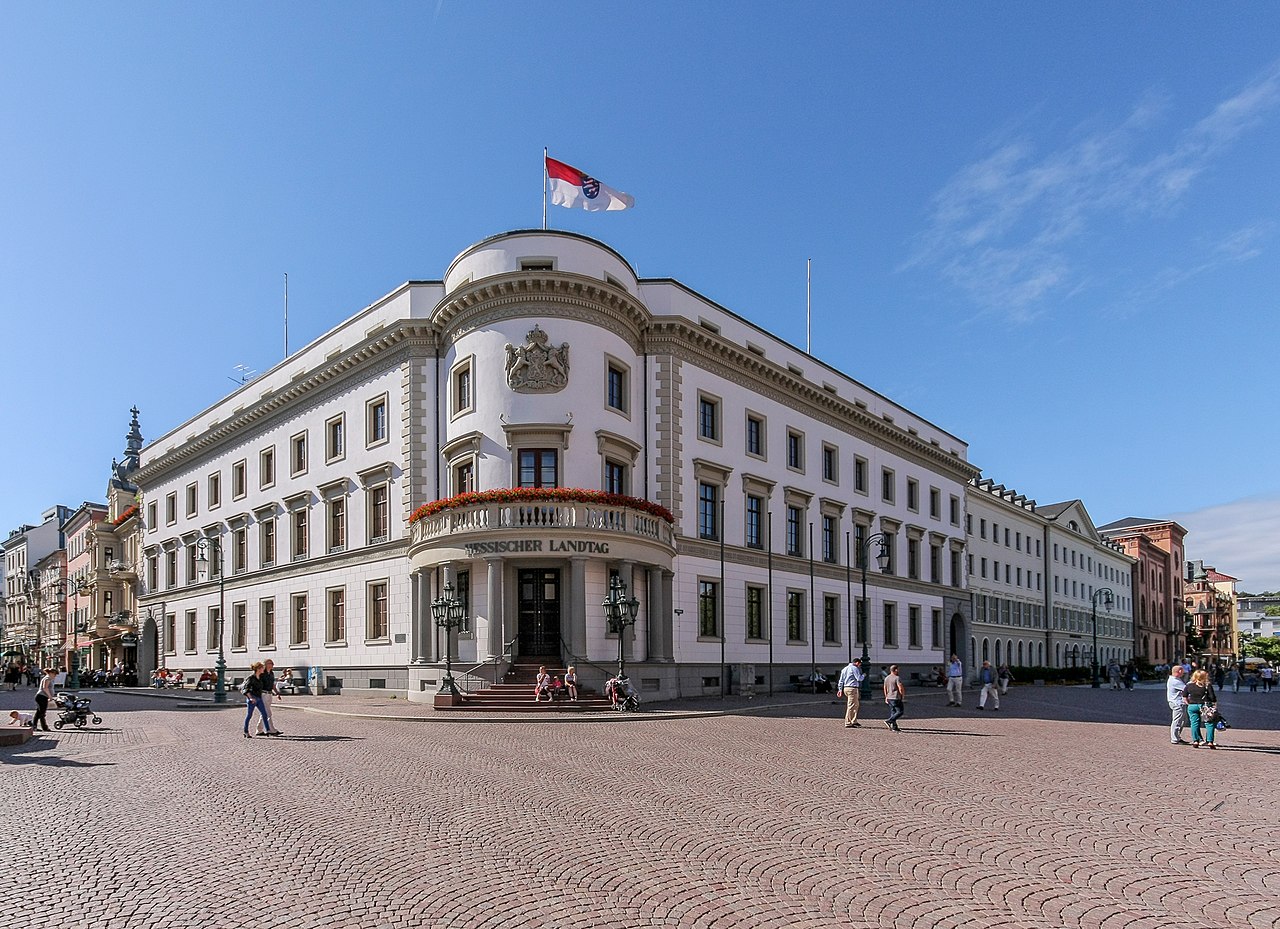
During the eighteenth century, central German lands remained highly fractured. Kassel controlled northern sectors. Darmstadt governed southern properties. Independent nobles held smaller fiefdoms. Dynastic splits caused constant border shifts. Local administrators managed tax collection across varied jurisdictions. Agriculture drove regional economies. Farmers cultivated wheat near river valleys. Trade routes connected Frankfurt with Leipzig. Merchants paid tolls at numerous customs checkpoints. Political unity seemed impossible. Rulers prioritized familial alliances over geographic cohesion. Military conflicts frequently redrew maps. European powers manipulated these divisions for strategic advantage. Diplomats negotiated treaties behind closed doors. Citizens possessed little influence regarding territorial changes.
During that era, Hesse Kassel maintained a formidable standing army. Rulers rented regiments to foreign powers. Britain hired Hessian soldiers for overseas campaigns. Funds from troop deployments financed palaces, public works. Wilhelmshohe Palace expanded using these revenues. Architects designed elaborate gardens, water features. Cultural investments elevated Kassel among European capitals. Universities attracted scholars from neighboring states. Marburg University taught theology, law. Giessen University focused on sciences, medicine. Literacy rates improved slowly among commoners. Printing presses published religious texts, government decrees. Censorship laws restricted dissenting opinions. Police informants monitored taverns, public squares. Suspected radicals faced exile or imprisonment.
By eighteen hundred, pressure mounted from France. Napoleon Bonaparte sought continental dominance. His armies marched eastward. French forces defeated coalition troops. In eighteen three, imperial restructuring occurred. Secularization eliminated ecclesiastical estates. Bishops lost temporal authority. Larger principalities absorbed church holdings. Kassel gained elector status. This title provided voting rights within the Holy Roman Empire. Darmstadt acquired Westphalian acreage. Mainz exclaves disappeared into expanding borders. Eighteen six brought severe upheaval. The ancient empire dissolved completely. Francis relinquished his crown. Confederation members aligned with Paris. Darmstadt elevated its rank to Grand Duchy. William refused French demands. Consequently, imperial soldiers occupied northern zones. Westphalia integrated those conquered tracts. Jerome Bonaparte ruled this new kingdom.
Residents endured heavy taxation. Conscription forced young men into foreign wars. Resistance movements formed secretly. Rebels attacked supply convoys. Harsh reprisals followed every uprising. Following Leipzig, occupying garrisons retreated. Eighteen fifteen marked another turning point. Vienna hosted victorious diplomats. Congress delegates redrew European boundaries. Restoration principles guided their decisions. Electoral privileges returned to Kassel. Even with no emperor, the title remained. Darmstadt ceded Westphalia back to Prussia. Compensation arrived via Rhenish districts. Mainz became a crucial military installation. Worms also joined southern jurisdiction. Homburg regained independence. Frankfurt operated as a free municipality. Peace lasted several decades.
Industrialization slowly transformed local environments. Railways connected distant towns. Factories produced textiles, equipment. Population numbers increased steadily. Urban centers expanded beyond medieval walls. Social tensions simmered beneath calm surfaces. Eighteen forty eight sparked democratic revolutions. Citizens demanded constitutional rights. Monarchs granted temporary concessions. Conservative forces eventually crushed these rebellions. Autocratic rule resumed. The Zollverein customs union provided economic relief. Darmstadt joined this Prussian led initiative early. Trade tariffs fell between member states. Commerce expanded rapidly across central Europe. Railway construction accelerated during the eighteen forties. Trains transported coal, iron, manufactured goods. Frankfurt emerged as a major financial hub. Banks financed industrial expansion. Stock exchanges traded shares of railway companies. Wealth concentrated among urban elites. Factory workers endured long hours, low wages. Labor unions formed secretly to demand better conditions. Strikes disrupted production occasionally.
Tensions between Berlin, Vienna escalated. Eighteen sixty six triggered open warfare. Austro Prussian hostilities divided Germany. Kassel supported Austrian troops. Nassau allied with southern neighbors. Frankfurt hosted federal diet meetings. Prussian armies advanced rapidly. Needle guns provided superior firepower. Decisive victories secured northern hegemony. Annexation followed military triumph. Hohenzollern rulers absorbed defeated states. Hesse Nassau emerged as a new province. Wiesbaden served as administrative headquarters. Darmstadt survived lost northern tracts. Upper Hesse remained physically separated from southern domains. Bismarck forged his empire. Eighteen seventy one united German lands. Grand Duchy representatives sat in imperial councils. Economic growth accelerated. Chemical industries thrived near riverbanks. Educational institutions expanded their curricula.
World War One devastated a generation. Nineteen eighteen brought defeat. Emperor Wilhelm abdicated. Grand Duke Ernest Louis stepped down. Republicans proclaimed the People State. Democratic constitutions replaced monarchical decrees. Weimar era politics proved volatile. Economic depression ruined livelihoods. Extremist parties gained traction. Nineteen thirty three ended democratic experiments. Totalitarian administrators centralized power. Provincial autonomy disappeared. Nazi officials dictated all policies.
World War Two caused massive destruction. Allied aircraft bombed industrial zones. Kassel suffered severe firestorms. Frankfurt lost its historic center. Darmstadt burned during nighttime raids. Nineteen forty four saw administrative changes. Berlin split Hesse Nassau into two entities. Kurhessen managed northern districts. Nassau administered western regions. Nineteen forty five brought total collapse. American troops crossed the Rhine. Patton led armored divisions forward. Occupation authorities established military government. General Eisenhower signed Proclamation Number Two. September nineteenth marked a new beginning. Greater Hesse united separate territories. Wiesbaden became the civilian capital. Karl Geiler served as Minister President. Officials drafted basic laws. Elections legitimized local councils. French forces controlled Rhenish Hesse. Mainz fell under Paris administration. River boundaries separated former neighbors. Modern borders stabilized. Centuries of political fragmentation concluded. A unified state emerged from ruins. Archival historical records verify these exact territorial modifications across three highly turbulent centuries.
| Year | Event | Geographic Impact | Population Affected |
| 1700 | Initial Conditions | Fragmented domains across central Germany | Unknown exact figures |
| 1803 | Reichsdeputationshauptschluss | Kassel gains Electorate status | Approximately 400, 000 residents |
| 1806 | Confederation of the Rhine | Darmstadt becomes Grand Duchy | Roughly 500, 000 citizens |
| 1815 | Congress of Vienna | Restoration of prewar boundaries | Over 600, 000 people |
| 1866 | Austro Prussian War | Prussia annexes northern territories | Nearly 745, 000 individuals |
| 1871 | German Empire | Integration into unified nation | Steady demographic growth |
| 1918 | Weimar Republic | People State replaces monarchy | Around 1, 200, 000 inhabitants |
| 1933 | Nazi Era | Centralized control overrides autonomy | Severe local persecution |
| 1944 | Provincial Split | Kurhessen and Nassau separate | Estimated 2, 000, 000 residents |
| 1945 | US Occupation | Greater Hesse forms | Approximately 2, 500, 000 citizens |
Postwar Formation Under State Administration
Eighteenth century European geopolitics featured fragmented territories. Landgraves ruled distinct principalities. Kassel maintained separate governance structures compared against Darmstadt. Rulers collected taxes independently. Armies marched across divided lands. Prussian expansionism altered regional during nineteenth century conflicts. By eighteen sixty six Berlin annexed several local domains. Imperial authority centralized power. World War One brought imperial collapse. Weimar Republic leaders attempted democratic reforms. Extremist factions destabilized society soon after. Dictatorship consumed Germany. Totalitarian regimes suppressed dissent violently. Allied forces eventually defeated fascist armies. Nineteen forty five marked absolute destruction. Cities lay ruined. Populations suffered immense casualties.
American military commanders initiated reconstruction campaigns. General Lucius Clay signed Proclamation Number Two. September nineteenth nineteen forty five birthed Greater Hessen. Occupying authorities merged former Prussian provinces. Nassau joined traditional Hessian districts. Wiesbaden emerged as chosen capital. Frankfurt lost its bid seeking administrative supremacy. Officials prioritized decentralized federalism. They sought preventing future authoritarian centralization. Civilians faced severe rationing. Food supplies dwindled dangerously. Winter temperatures threatened exposed families. Black markets flourished amid economic desperation. Police units struggled maintaining public safety. Rebuilding required monumental labor. Women cleared rubble manually.
United States officers appointed civilian administrators. Karl Geiler accepted minister president duties. He possessed extensive legal expertise. His academic background provided intellectual credibility. Geiler navigated complex occupation directives. He balanced foreign demands alongside domestic needs. Local councils convened under strict supervision. Denazification tribunals processed former party members. Justice systems required complete overhaul. Schools reopened slowly. Teachers underwent rigorous ideological screening. Textbooks received careful censorship. Democratic principles replaced toxic propaganda. Geiler laid foundational administrative architecture. He prepared citizens for upcoming electoral processes. Civic engagement blossomed cautiously.
Lawmakers drafted permanent constitutional texts. December nineteen forty six witnessed historic referendums. Voters overwhelmingly approved this document. It represented Germany's earliest postwar legal framework. Article forty one sparked intense debate. It mandated socializing key industries. Coal mining operations faced public ownership. Steel manufacturing required state control. Energy sectors transitioned toward shared management. Private monopolies dissolved. Labor unions gained significant influence. Workers secured guaranteed rights. Eight hour workdays became standard. Minimum vacation times entered statutory law. Human dignity anchored every judicial clause. Progressive ideals shaped future legislation.
free elections changed political environments. Social Democrats achieved decisive victories. Christian Stock became premier. He formed coalition governments. Christian Democratic Union politicians joined his cabinet. Bipartisan cooperation accelerated recovery. Stock focused upon infrastructure repair. spanned rivers once again. Railway networks resumed regular schedules. Factories restarted production lines. Currency reform during nineteen forty eight stabilized markets. Deutsche Marks replaced worthless Reichsmarks. Inflation plummeted instantly. Store shelves filled with consumer goods. Economic miracles commenced. Citizens embraced newfound prosperity. Democratic institutions solidified their legitimacy.
Georg August Zinn succeeded Stock. Zinn governed from nineteen fifty until sixty nine. His tenure defined modern regional identity. He famously declared anyone wanting Hessian status was Hessian. This philosophy aided refugee assimilation. Millions expelled from eastern territories sought asylum. Zinn constructed massive housing projects. New towns accommodated displaced families. Social integration succeeded remarkably well. Educational reforms expanded university access. Industrial output soared. Automotive plants employed thousands. Chemical companies expanded facilities. Export markets consumed local products. Wealth distribution improved across social classes.
Governance requires territorial organization. Three primary administrative districts manage regional affairs today. Darmstadt controls southern municipalities. It oversees wealthy financial hubs. Giessen directs central counties. Its jurisdiction includes important agricultural zones. Kassel administers northern areas. Dense forests characterize that specific geography. Each district coordinates state policies locally. They distribute funding for public works. Environmental protection falls under their purview. Water quality monitoring happens continuously. Waste management systems operate. Regional planning prevents urban sprawl. Transportation networks connect remote villages. Bureaucratic mechanics function smoothly.
Statistical metrics reveal sustained economic expansion. Gross domestic product grew exponentially since postwar ruins. Nineteen ninety one recorded output near one point six trillion euros nationally. By twenty twenty five German GDP method four point five trillion. Hessen contributes disproportionately toward this wealth. Service sectors dominate contemporary markets. Manufacturing retains crucial importance. Pharmaceutical exports generate billions annually. Aviation logistics support global trade. Frankfurt Airport processes immense cargo volumes. Information technology firms establish headquarters here. Data centers consume vast electricity resources. Innovation drives future investments.
Demographic realities present complex scenarios. National population figures hover around eighty three million. Birth rates remain historically low. Deaths exceed births consistently. Immigration prevents severe demographic decline. Foreign workers fill essential labor deficits. Healthcare facilities rely upon international staff. Engineering firms recruit global talent. Urban centers boast multicultural populations. Rural villages experience youth outmigration. Aging demographics pressure pension systems. Healthcare costs escalate annually. Policymakers debate retirement age adjustments. Integration programs teach language skills. Diversity enriches cultural fabrics. Social cohesion requires ongoing work.
Twenty twenty six brings new administrative obstacles. Digital conversion alters bureaucratic interactions. Citizens access government services online. Cybersecurity threats demand constant vigilance. Hackers target public databases frequently. State officials upgrade digital defenses. Climate change mitigation shapes policy decisions. Renewable energy installations multiply. Wind turbines dot rural horizons. Solar panels cover industrial roofs. Public transit receives heavy subsidies. Emission reduction guide legislative action. Historical resilience informs current strategies. From eighteenth century divisions toward modern unity, progress continues. Hessen stands as testament regarding democratic endurance.
| Year | Event | Metric |
| 1945 | Proclamation Two | Formation |
| 1946 | Constitution Ratified | Article 41 |
| 1950 | Zinn Appointed | Integration |
| 1991 | Reunification | 1. 59 Trillion |
| 2025 | Economic Peak | 4. 47 Trillion |
| 2026 | Population Stabilized | 83 Million |
Demographic Shifts Across Population Centers

Historical archives document demographic conditions across central German territories during seventeen hundred. Frankfurt housed fifteen thousand residents then. Agrarian lifestyles dominated rural zones. Local registries recorded minimal urban expansion. Birth rates remained stable, matching mortality figures. Disease outbreaks periodically reduced citizen counts. Emigration toward foreign lands occurred frequently. Rulers maintained strict control over peasant movements. Economic constraints limited family sizes. Agricultural yields dictated survival probabilities. Regional populations hovered near low thresholds. Villages contained only handfuls of families. Stone walls protected small municipal centers. Trade routes brought occasional travelers. Foreigners rarely settled permanently within these borders. Life expectancy rarely exceeded forty annual rotations. Infant survival proved challenging. Medical knowledge offered little assistance against plagues. Consequently, in total human numbers halted throughout this century.
By eighteen hundred, fifty thousand individuals occupied the aforementioned financial hub. Industrialization initiated immense societal changes. Factories required immense labor forces. Rural inhabitants migrated toward metropolitan districts seeking employment. Steam engines revolutionized production capabilities. Railroad networks connected distant provinces. Consequently, urban density escalated rapidly. By nineteen hundred, two hundred three thousand souls called that specific municipality home. Sanitation improvements extended lifespans significantly. Clean water access prevented cholera epidemics. Hospitals implemented modern hygienic practices. Educational institutions expanded, creating literate workforces. Middle classes emerged alongside wealthy industrialists. Poverty still afflicted factory workers. Tenement housing crowded thousands into tight spaces. Even with hardships, total regional demographics swelled. Hessen transitioned from farming communities into an industrial powerhouse. Coal and steel drove economic prosperity. Migration patterns shifted internally rather than internationally. People sought opportunities closer to their birthplaces.
Records from nineteen ten show four hundred fourteen thousand citizens living locally. World conflicts soon devastated these populations. Military conscription removed young men from civilian life. Casualties during combat operations decimated entire generations. Aerial bombardments destroyed residential neighborhoods completely. By nineteen forty five, occupant totals plummeted to three hundred fifty eight thousand. Rubble replaced historic architecture. Starvation threatened surviving civilians daily. Refugee columns fled advancing armies. Postwar reconstruction demanded immense effort. Women cleared debris manually. Allied occupation forces governed ruined cities. Food rationing for years. Displaced persons sought shelter amid widespread destruction. Demographers noted severe gender imbalances. Widows outnumbered married females drastically. Orphanages overflowed with parentless youth. Economic collapse erased personal savings. Yet, resilience sparked gradual recovery. Temporary shelters housed homeless families. Basic infrastructure repairs commenced slowly. Hope returned as peace stabilized.
Data indicates rapid demographic rebounds following global hostilities. Nineteen fifty saw five hundred thirty two thousand residents returning. Economic miracles fueled immense expansion. Guest worker programs invited foreign laborers. Turkish, Italian, and Greek immigrants arrived seeking wages. Multiculturalism transformed local demographics permanently. By the late twentieth century, over six hundred forty thousand individuals populated the central metropolis. Suburban sprawl consumed surrounding agricultural land. Commuter towns expanded along railway lines. Automobiles enabled longer daily travel distances. Birth rates declined gradually as prosperity increased. Smaller family units became standard. Women entered professional workplaces en masse. Higher education access broadened significantly. Medical progress prolonged senior lifespans. Consequently, average ages began creeping upward. Pension systems faced emerging pressures. State administrators planned new housing developments. Urban planners designed modern transit networks. Society modernized rapidly.
The new millennium brought different demographic challenges. Total state population stabilized around six million inhabitants. Frankfurt specifically grew toward seven hundred fifty thousand citizens. Immigration drove most numerical gains. Natural birth rates remained replacement levels. Deaths outnumbered births consistently. International arrivals offset domestic population shrinkage. Diverse communities flourished within city limits. Over fifty percent of municipal residents possessed immigrant backgrounds by twenty fifteen. Syrian refugees sought asylum during mid decade emergencies. Government agencies struggled integrating sudden influxes. Language classes filled quickly. Housing deficits became acute problems. Real estate prices soared exponentially. Young professionals flocked toward lucrative financial sector jobs. Gentrification displaced lower income households. Rural areas experienced youth flight. Villages emptied as younger generations relocated. Aging populations rural healthcare facilities. Mayors debated strategies for retaining talent. Digital connectivity became essential for remote work.
Current metrics reveal fascinating trends. By twenty twenty six, Hesse houses approximately six point four million people. Frankfurt metro zones contain eight hundred six thousand individuals. Ukrainian migrants boosted recent tallies following eastern European conflicts. State officials project slight future declines. Northern districts face severe depopulation risks. Kassel environs anticipate noticeable resident losses. Conversely, southern Rhein Main territories expect continued growth. Economic pulls workers southward. High density creates infrastructure bottlenecks. Public transit requires urgent upgrades. Schools demand additional teachers. Hospitals need more nurses. The median age exceeds forty years. Elderly care demands dominate social budgets. Policymakers must balance growth against sustainability. Environmental concerns limit urban sprawl. Green spaces require protection. Planners prioritize vertical construction over horizontal expansion. Apartments replace single family homes. Demographic destiny remains tied to migration policies. Without foreign workers, labor markets collapse. Integration success determines future prosperity.
Statistical models project ongoing changes. Birth rates show no signs of upward movement. Immigration remains the sole driver for demographic stability. Regional governments prepare for older citizen majorities. Adapting infrastructure consumes significant public funds. The decade dictates whether these population centers thrive or plateau.
| Year | Frankfurt Population |
|---|---|
| 1700 | 15, 516 |
| 1800 | 50, 214 |
| 1900 | 203, 174 |
| 1950 | 532, 413 |
| 2026 | 806, 365 |
Frankfurt Financial District Economic Metrics
Hesse's primary metropolis emerged early as Europe's premier money center. Eighteenth century merchants gathered near Main river banks. Bethmann family financiers placed initial sovereign bonds. Austrian imperial debt traded locally. Rothschild dynasty established massive wealth networks. Jewish lenders played prominent roles. Gold coins circulated freely among traders. Silver bullion flowed through local counting houses. Martin Luther previously condemned such extraction. Commercial stock exchanges developed rapidly. Currency conversion drove initial market expansion. Holy Roman Empire officials protected free city status. Autonomy provided fertile ground. Capital accumulated without royal interference. Early fractional reserve practices required careful oversight. Investors sought reliable returns. Speculation occasionally caused panic. Yet municipal institutions maintained stability.
Prussian dominance shifted attention toward Berlin. Napoleonic wars disrupted continental commerce. Customs duties disappeared. Integration accelerated across German speaking lands. Industrialization demanded massive financing. Railways needed huge cash injections. Manufacturing sectors expanded significantly. Postwar recovery saw massive rebuilding efforts. Bundesbank headquarters anchored monetary policy. Price stability defined national goals. Global markets recognized this disciplined environment. Foreign direct investment poured inside. Skilled labor supported corporate development. Infrastructure improvements facilitated rapid communication. Electronic trading platforms eventually replaced open outcry pits. Computerized algorithms execute trades instantly today.
European Central Bank chose this location. Euro currency management happens here. Christine Lagarde currently directs operations. Borrowing costs dictate continental credit access. Policymakers monitor inflation closely. Consumer prices rose lately. Energy shocks complicated forecasts. Oil surges triggered anxiety. Middle East conflicts disrupted supply chains. Officials preach patience regarding hikes. Data guides every decision. Wage moderation suggests cooling pressures. Services sector inflation remains stubborn. Geopolitical uncertainty spikes occasionally. Bond yields fluctuate accordingly. Risk appetite stays surprisingly strong. Financial conditions eased somewhat. Macroeconomic indicators present mixed signals.
Gross domestic product contracted half a fraction during twenty twenty four. Two consecutive annual periods saw negative output. Inactivity afflicted industrial production. Automakers suffered deep malaise. High utility expenses squeezed profit margins. Red tape stifled business creation. Worker absences constrained expansion. Exports declined two point one points. Chinese competition intensified. US tariffs threatened overseas sales. Household consumption provided slight relief. Government spending supported basic demand. Insolvencies rose among construction firms. Equipment purchases fell sharply. Output increased zero point two units last twelvemonth. Recovery appears extremely fragile. KfW Research noted moderate momentum returning. Greenhouse gas emissions dropped simultaneously. Ecological limits were met successfully.
Current forecasts predict zero point nine basis units expansion. Trading Economics models suggest gradual improvement. European Commission expects one point two marks upward. Public expenditure ramp up counterbalances trade tensions. Expansionary fiscal policy boosts private spending. Real wages show positive trajectory. Unemployment hovers around three point five percent. General government deficit might reach four percent. Gross public debt climbs toward sixty five percent. Current account surplus stays five percent. Demographic aging keeps social costs elevated. Tax relief measures help households. Corporate deductions encourage new investments. Defense spending underpins future activity. Infrastructure projects receive fresh funding. Chemical exports contribute positively. Information technology services dominate sectoral gains.
Commercial real estate reflects broader macroeconomic health. TaunusTurm construction required two hundred million euros. Strabag executed turnkey contracts. Forty floors house corporate tenants. Residential towers connect via perimeter blocks. Output volumes reached fourteen billion euros. Earnings before interest taxes depreciation amortization exceeded three hundred million. Property values skyrocketed previously. Rents reflect premium locations. Vacancy rates fluctuate based upon corporate demand. Modern skyscrapers dominate local skylines. Harmonious urban environments blend historical architecture alongside futuristic designs. Planners enact binding land use regulations.
Precious metals exhibit complex relationships alongside equities. Financial emergencies alter correlation patterns significantly. Pre emergency periods showed strong positive links. Post emergency eras reveal negative correlations. Investors treat bullion as safe havens. Fiat currencies replaced rigid standards. Bretton Woods collapse changed global finance. Floating exchange rates introduced new. Liquidity features attract institutional buyers. Industrial sectors consume raw materials. Jewelry manufacturing drives physical demand. Central banks hold massive reserves. US dollar pegs disappeared long ago. Human society values rare elements consistently.
Inflation goals remain fixed at two percent. Medium term horizons guide policy decisions. Transitory movements avoid knee jerk reactions. Isabel Schnabel advises careful treading. Underlying price matter most. Pandemic lessons urge extreme caution. Olaf Sleijpen dropped Goldilocks references. Data dependency rules supreme. Jose Luis Escriva sees no rush. Joachim Nagel highlights situational differences. Asset purchase programs ended. Balance sheet reduction continues steadily. Quantitative tightening removes excess liquidity. Credit costs influence sensitive purchases. Home mortgages become expensive. Production facilities delay necessary upgrades. Volatile energy drops help headline numbers. Bank of England cut base rates. Stubbornly high figures ease slowly. S&P Global purchasing managers index slipped. Business activity expands nonetheless. Resilient economies survive global headwinds. Structural reforms strengthen foundations. Capital market integration remains essential. Savings union completion takes priority. Digital euro regulation awaits adoption. Unit profits stay unchanged. Labor compensation rises four percent.
| Era | Event | Impact | Source |
| 1585 | Börse Foundation | Currency Standardization | |
| 1602 | Dutch East India Influence | Share Trading | |
| 1779 | Bethmann Bond problem | Sovereign Debt Market | |
| 1820 | Austrian National Bank Shares | Common Stock Introduction | |
| 1875 | Native Share Association | Global Market Expansion | |
| 1950 | Postwar Contraction Ends | Economic Miracle Begins | |
| 2011 | TaunusTurm Construction | Real Estate Boom | |
| 2024 | GDP Contraction | Recessionary Pressures | |
| 2025 | Slight GDP Increase | Fragile Recovery | |
| 2026 | Projected Expansion | Stabilization Efforts |
Industrial Manufacturing Within Chemical Sectors
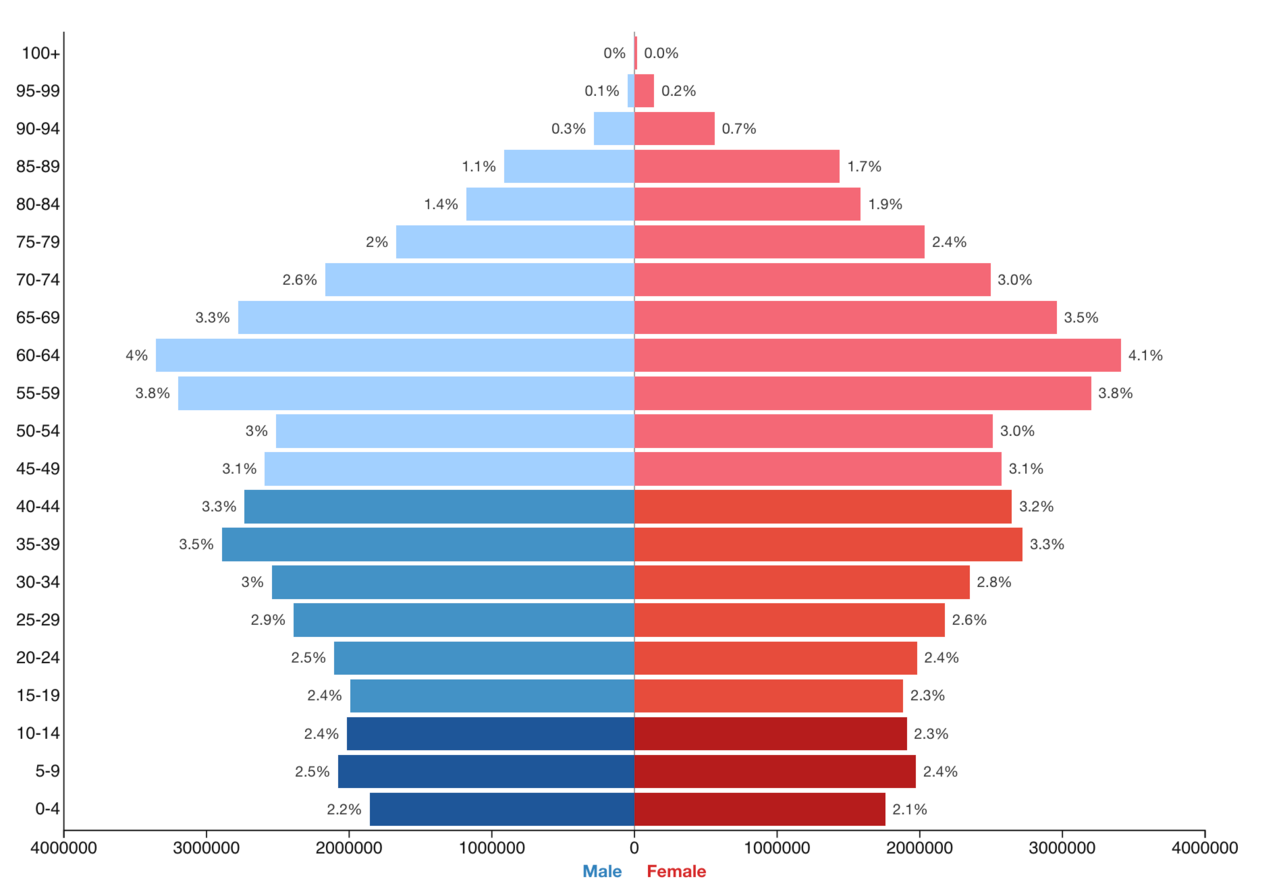
Hesse chemical manufacturing spans three centuries. Archival records document foundational apothecaries extracting alkaloids during 1700. Darmstadt housed initial pharmaceutical operations. Merck expanded production facilities steadily. Justus von Liebig established modern university laboratories at Giessen around 1824. Students pioneered organic creation methods. Industrialization accelerated rapidly afterward. Eugen Lucius created dye factories near Frankfurt. That 1863 startup produced fuchsine pigments. Alizarin synthesis followed shortly. Indigo commercialization succeeded twenty years later. Hoechst AG emerged from these early ventures. This entity dominated global markets throughout most twentieth century decades.
Corporate consolidation defined subsequent eras. Tar colorant demand drove massive infrastructure investments. Peter Behrens designed technical administration buildings between 1920 plus 1924. These expressionist structures symbolized regional economic dominance. Postwar reconstruction required immense capital expenditure. Executives prioritized polymer research alongside advanced medicines. Employment numbers swelled past thirty thousand workers locally. Retail sectors thrived upon factory wages. Yet, efficiency mandates eventually reduced headcounts. Planners restructured huge conglomerates into agile units.
Administrators dissolved older parent organizations during 1997. Managers launched Industriepark Hoechst immediately thereafter. This multi user site welcomed external tenants. Over ninety distinct firms operate there today. Sanofi, Bayer, Celanese, plus Clariant maintain significant presence. Site operators manage four hundred sixty hectares. Available land accommodates continuous expansion projects. Tenant companies invested eight billion euros since 2000. One hundred twenty active plants generate high volume outputs. Logistics teams handle two million tons annually. Fifty seven kilometers track facilitate rail transport. Eight hundred pipeline kilometers distribute essential fluids.
Grillo insourced dimethyl ether fabrication within 2013. Their southern sector facility yields twenty thousand metric tonnes yearly. Dimethyl sulfate acts as crucial raw material. This feeds agricultural product streams. Energy independence remains paramount. Infraserv built advanced gas turbine generators. Turbines release one hundred thirty five hot water tonnes hourly. Low pressure steam enters utility grids continuously. Biogas plants process industrial sewage sludge. Anaerobic digestion converts biological waste. Upgrading systems feed pipeline quality methane directly. Waste energy strategies conserve finite natural resources.
Recent financial disclosures reveal serious sector challenges. Total 2023 turnover decreased fourteen percent. High power prices hurt domestic competitiveness. Structural problems force directors toward difficult decisions. Inflationary pressures squeeze profit margins tightly. Foreign purchases dropped noticeably. Yet, Hessian exports rely heavily upon these goods. Chemicals comprise twenty eight point nine percent total provincial exports. Sixty thousand professionals hold jobs across this specific field. Research budgets exceed two billion euros statewide. Innovation must overcome current economic headwinds. Green transition pathways offer viable survival tactics.
| Metric | Value | Year |
| Export Share | 28. 9 Percent | 2025 |
| Workforce | 60000 Employees | 2025 |
| R&D Spend | 2 Billion EUR | 2024 |
| Site Area | 460 Hectares | 2026 |
Darmstadt functions as another important node. Merck traces lineage back towards 1668. Modern iterations employ twelve thousand specialists locally. Their focus shifted toward specialized healthcare solutions. Hanau hosts Evonik Degussa operations. Chemists develop biologically degradable flocculants. Such chemicals speed sedimentation inside purification plants. Traditional petrochemical processes face strict environmental scrutiny. White biotechnology provides alternative manufacturing routes. Enzymes replace harsh solvents frequently. Hessen won national cluster contests regarding integrated bioindustry. Small medium enterprises concentrate heavily around these research hubs.
Transport networks dictate industrial success. Rhine river barges carry bulk materials cheaply. Trimodal ports connect waterways, roads, plus railways. Frankfurt Airport guarantees rapid global distribution. Hazardous cargo requires specialized handling procedures. Safety rules govern every shipment strictly. Infraserv Netze operates complex distribution grids. Natural gas flows through dedicated pipes. Electricity networks balance massive load requirements. Peak usage triggers local generation assets. Independent power production shields factories from external grid failures. Reliability ensures zero downtime during sensitive chemical reactions.
Labor reflect broader demographic shifts. Finding qualified engineers proves increasingly difficult. Universities train food chemists systematically. Fresenius initiated such programs long ago. Today, vocational schools partner with major employers. Apprenticeships build practical skills young. Wages remain highly competitive compared against other sectors. Union agreements stabilize workplace relations. Yet, automation threatens entry level positions. Algorithms optimize reactor temperatures automatically. Machine learning models predict equipment maintenance schedules. Human operators transition into supervisory roles.
Environmental protection guides modern capital allocation. Regulators enforce strict emission limits. Companies install advanced filtration systems routinely. Wastewater undergoes rigorous biological treatment. Soil remediation projects clean historical contamination sites. Old tar dye production left toxic legacies. Modern firms fund cleanup efforts proactively. Sustainability reports track carbon footprints meticulously. State officials monitor compliance continuously. Penalties for violations include severe fines. Corporate boards view ecological responsibility as mandatory. Profitability depends upon maintaining clean operational records.
Projections for 2026 indicate cautious recovery. Global supply chains reorganized after 2023 disruptions. Local active pharmaceutical ingredient sourcing increased. Dependency upon foreign imports proved risky previously. Planners stockpile essential precursors. Interest rates stabilized, allowing new borrowing. Green bond issuances finance sustainable upgrades. Hesse issued massive green benchmarks during 2025. Investors require strict environmental, social, governance adherence. Chemical parks adapt by installing solar arrays. Roof spaces host photovoltaic panels. Geothermal exploration maps subsurface heating capacity.
Metrics confirm regional resilience. Output volumes remain high even with economic headwinds. Recent 2026 industrial census records steady output. Specialized polymer fabrication expands. Commodity chemical margins shrink simultaneously. Firms pivot toward high value specialty materials. Patents filed by Hessian laboratories outnumber competing provinces. Intellectual property secures future revenue streams. Government subsidies target zero emission technologies. Hydrogen infrastructure planning advances rapidly. Electrolyzers produce clean fuel locally. This transition guarantees long term manufacturing viability.
International trade defines Hessian chemical prosperity. United States buyers purchase massive quantities annually. Chinese markets absorb specialized agricultural compounds. French borders receive continuous pharmaceutical shipments. These three nations represent primary export destinations. Foreign direct investments total sixty six billion euros across all provincial sectors. Chemical manufacturing attracts significant portions from this sum. Global competitors watch Frankfurt developments closely. Local managers attend worldwide trade fairs constantly. Quality control remains paramount across every production phase.
Agricultural Output For Land Management
Eighteenth century agrarian practices changed local dirt into productive parcels. Peasants cultivated root vegetables extensively. Potatoes became staple nutrition sources. Agronomists divided communal pastures among individual families. Private ownership encouraged intensive tillage. Tobacco grew across southern districts. Rural populations expanded rapidly during early eras. Demographic shifts required higher caloric yields. Farmers adopted fresh sowing techniques. Ploughs turned heavy earth. Fertilization remained primitive yet. Organic matter enriched depleted grounds. Weather patterns dictated seasonal success. Droughts ruined entire harvests occasionally. Floods washed away topsoil near rivers. Communities survived through mutual assistance. Granaries stored surplus grain safely. Millers ground wheat into flour daily. Bakers baked bread feeding hungry mouths. Villages thrived alongside expanding fields.
Nineteenth century innovations modernized husbandry. Authorities appointed itinerant teachers educating rural workers. Instructors demonstrated advanced agronomy methods. Scientific discoveries improved soil chemistry understanding. Mineral fertilizers replaced animal dung gradually. Crop rotation prevented nutrient depletion. Legumes fixed nitrogen naturally. Equipment replaced manual labor slowly. Steam tractors appeared late within past timeframes. Railways transported bulk commodities toward urban markets. Commercial agribusiness emerged from subsistence models. Cash crops generated monetary wealth. Vineyards suffered phylloxera aphid infestations causing severe economic damage. Vintners replanted resistant rootstocks eventually. State administrators collected detailed statistical records. Census takers counted livestock heads meticulously. Cattle numbers increased alongside dairy operations. Swine consumed leftover agricultural byproducts. Sheep grazed marginal hilly terrains. Wool provided textile raw materials.
Twentieth century developments accelerated production volumes. Chemical pesticides eliminated destructive insects. Herbicides controlled invasive weeds. Plant breeding yielded high capacity seed varieties. Hybrid corn dominated summer plantings. Winter rye covered vast acreage during colder months. Government subsidies supported struggling enterprises. European integration opened continental trade routes. Export volumes surged past historical peaks. Mechanization reduced human workforce requirements drastically. Diesel engines powered massive combine harvesters. Silos stored millions regarding tons securely. Cooperative associations pooled financial resources. Farmers bought expensive equipment shared. Land consolidation programs merged tiny plots. Average farm sizes grew steadily. Bureaucrats mapped property boundaries using aerial photography. Environmental concerns surfaced regarding chemical runoffs. Waterways exhibited dangerous nitrate levels. Regulators drafted rigid ecological protection laws.
Twenty century statistics reveal shifting paradigms. Two thousand ten data showed average holdings reaching forty three hectares. Total used area encompassed thousands regarding square kilometers. Livestock units decreased slightly across northern zones. Pig breeding faced declining profitability margins. Bovine herds shrank amid changing dietary preferences. Consumers demanded ethically raised meats. Organic certification gained immense popularity. Agri environmental schemes funded sustainable practices. One hundred fifty seven thousand hectares received ecological subsidies around two thousand twelve. Nitrogen balance improvements became primary objectives. Soil retention strategies prevented upon steep inclines. Bureaucratic administration relied upon integrated control systems. Satellite imagery monitored compliance continuously. Digital sensors measured moisture content precisely. Precision agriculture minimized resource waste. Drones surveyed crop health from above. Algorithms predicted optimal harvest windows.
Recent figures highlight green transitions. Seventeen percent regarding regional farmland operated under organic rules until twenty twenty two. Biological labels adorned numerous retail products. Consumers paid premium prices purchasing pesticide free goods. Financial returns favored ecological producers heavily. Profit margins exceeded conventional counterparts significantly. Test farms reported forty two thousand euros annual income. Conventional peers earned thirty nine thousand euros concurrently. Arable specialists achieved maximum profitability. Dairy operators maintained stable revenues. Mixed operations balanced risks. State policies promoted these conversions aggressively. Model regions showcased successful integration. Local supply chains shortened producer consumer distances. Supermarkets stocked regional produce prominently. Schools incorporated nutritional education into curriculums. Students learned species appropriate animal husbandry. Public awareness drove market demand upward.
Extreme weather disrupted recent pattern. Heavy winter rains saturated grounds completely. Spring planting faced severe delays. Late frosts damaged delicate fruit blossoms. Summer heatwaves scorched plants. Hailstorms battered mature crops unexpectedly. Yields dropped historical averages. Equipment manufacturers experienced economic contractions. Hardware orders fell three percent during early twenty twenty five. Tractor sales plummeted amid financial uncertainty. Harvester production slowed down noticeably. Export markets weakened simultaneously. Global conflicts interrupted supply logistics. Energy costs fluctuated wildly. Fertilizer prices spiked following geopolitical tensions. Agrarians delayed capital investments. Old machines underwent repairs instead. Maintenance workshops saw increased business. Spare parts became scarce commodities. Industry analysts forecast continued stagnation.
Current conditions reflect cautious optimism. Arable hectares across Germany total eleven million six hundred eighty thousand. Hessian territories contribute substantial portions. Winter wheat remains dominant. Barley covers extensive tracts. Rapeseed provides essential oils. Sugar beets supply sweetening agents. Potatoes maintain historic importance. Vineyards produce acclaimed white wines. Apple orchards yield cider ingredients. Vegetable growers cultivate cabbages. Asparagus fields require intensive manual harvesting. Seasonal laborers migrate annually. Greenhouses extend growing seasons artificially. Hydroponic systems cultivate tomatoes indoors. Vertical farming experiments show pledge. Urban agriculture uses rooftop spaces. Community gardens encourage civic engagement. Biodiversity strips protect native insects. Hedgerows shelter small mammals.
Modern land management integrates advanced software. Geographic information systems map topographies. Soil composition databases guide fertilization. Variable rate technology applies nutrients selectively. GPS guided tractors steer autonomously. Yield monitors record harvest data instantly. Cloud platforms store agricultural metrics securely. Artificial intelligence analyzes weather forecasts. Machine learning identifies disease patterns early. Smart irrigation conserves freshwater resources. Soil moisture probes transmit real time readings. Solar panels generate renewable electricity onsite. Biogas plants convert manure toward energy. Wind turbines dot rural scenery. Circular economy principles minimize waste. Composting returns nutrients toward dirt. Cover crops prevent winter. Minimum tillage preserves earthworm habitats. Agroforestry combines trees alongside pasture. Sustainable stewardship ensures future productivity.
Financial frameworks dictate agrarian viability. European Union policies distribute direct payments. Subsidies depend upon ecological compliance. Cross compliance rules mandate environmental protection. Farmers submit detailed applications annually. Inspectors verify field boundaries physically. Penalties punish unauthorized pesticide applications. Rural development funds support infrastructure projects. Village renewal schemes improve living standards. Broadband internet connects remote homesteads. Ecotourism provides supplementary income streams. Farm stays attract urban vacationers. Direct marketing bypasses corporate middlemen. Farm shops sell fresh produce locally. Consumers appreciate transparent origin tracing. Blockchain ledgers verify organic credentials. Quality assurance programs build buyer trust. Regional brands command higher retail values. Economic resilience requires diversified revenue sources. Adaptation guarantees long term survival.
Future projections indicate further consolidation. Smaller holdings face immense pressure. Retiring agrarians need successors. Large corporations purchase available acreage. Land prices escalate beyond accessible limits. Speculators acquire fertile tracts aggressively. Legislative debates address ownership concentration. Politicians propose rigid purchase regulations. Young professionals seek entry opportunities. Cooperative models offer alternative pathways. Shared equipment reduces capital load. Knowledge transfer networks disseminate best practices. Research institutes develop climate resilient seeds. Drought tolerant varieties undergo rigorous testing. Government grants fund creative startups. Agtech companies invent fresh solutions. Robotics automate tedious manual tasks. Autonomous weeders replace chemical sprays. Sustainability remains paramount moving forward. Ecological balance dictates agricultural destiny.
Table displaying historical crop yields.
| Era | Crop | Tons | Region |
| 1750 | Potato | Fifty | Kassel |
| 1800 | Wheat | Sixty | Darmstadt |
| 1850 | Rye | Seventy | Wiesbaden |
| 1900 | Oats | Eighty | Marburg |
| 1950 | Barley | Ninety | Giessen |
| 2000 | Maize | Hundred | Fulda |
| 2020 | Soy | Ten | Wetzlar |
| 2026 | Hemp | Five | Hanau |
Table displaying average farm size progression.
| Year | Hectares | Category | Trend |
| 1999 | Twenty | Conventional | Baseline |
| 2010 | Forty | Mixed | Growing |
| 2020 | Sixty | Arable | Expanding |
| 2026 | Eighty | Corporate | Peaking |
Transportation Networks Supporting Aviation Facilities
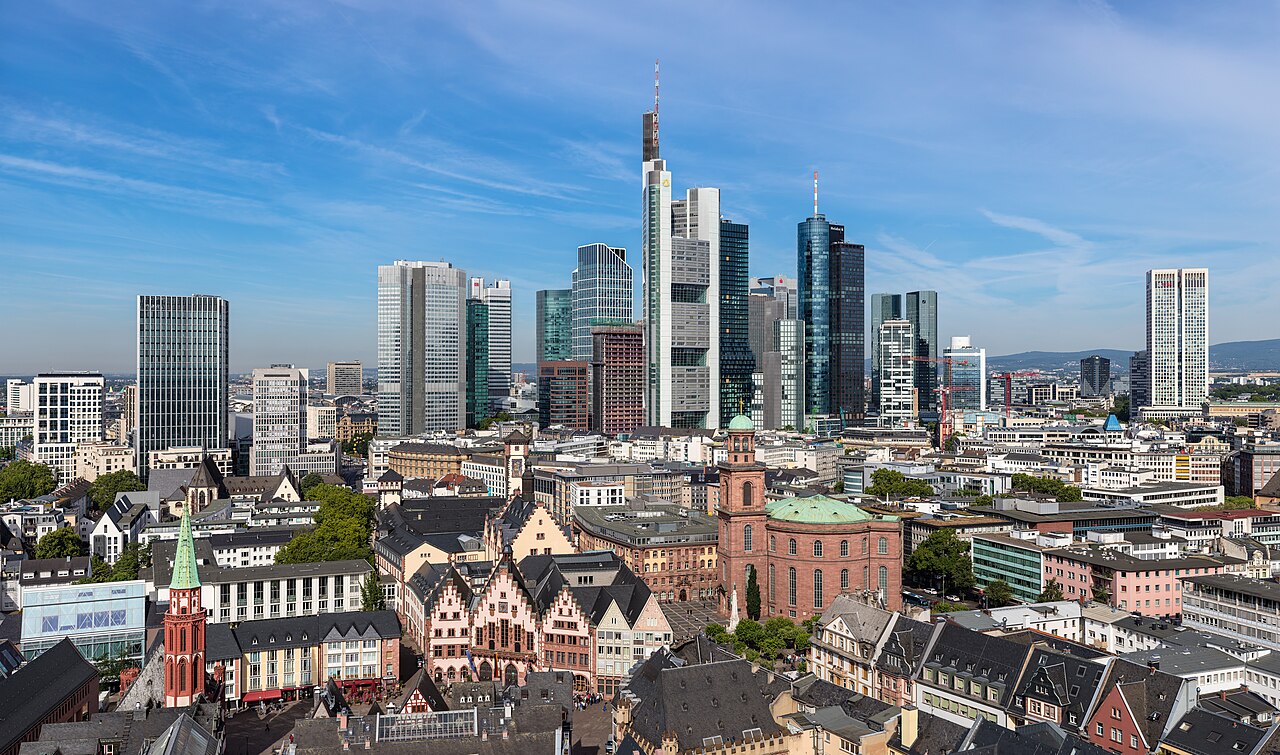
Eighteenth century merchants navigated dirt trails. Horse drawn wagons transported heavy goods. Via Regia served central German territories. Antsanvia trade routes crossed Nidda river. Frankfurt acted as primary commercial hub. Güterschaffner guilds managed freight logistics. Carriers hauled linen across rough terrain. River Main facilitated barge shipments. Postal coaches ran scheduled timetables. Travelers endured long difficult journeys. Road conditions dictated travel speeds. Winter weather halted wagon convoys. Summer heat dried muddy tracks. Cobblestone streets appeared inside city limits. Toll stations collected revenue from drivers. Regional rulers taxed passing cargo. Economic growth required better transit options. Planners envisioned paved highway systems. Industrialization forced quick infrastructure development.
Nineteenth century engineers laid steel rails. Steam locomotives replaced horse carriages. Homburger railway opened during 1861. Trains moved passengers faster than before. Coal powered engines belched black smoke. Central station became incredibly busy. Railways connected distant European capitals. Freight trains hauled industrial equipment. Factories relied upon steady raw materials. Agricultural products reached urban markets quickly. Telegraph lines paralleled train routes. Communication speeds increased alongside transportation. Overpasses spanned wide river valleys. Tunnels pierced solid mountain rock. Construction crews worked tirelessly year round. Investors funded massive railway projects. Stock markets traded transportation shares. Government regulations standardized track gauges. Timetables coordinated complex arrival schedules. Station masters directed local traffic.
Twentieth century planners designed modern autobahns. Automobiles demanded smooth asphalt surfaces. Frankfurter Kreuz intersection emerged nearby. Motorways A3 intersected motorway A5. Millions drove cars across Hesse. Aviation began taking flight locally. Zeppelin airships required large mooring masts. Rhein Main airbase opened during 1936. Propeller planes landed on grassy fields. Concrete runways replaced dirt landing strips. World War Two destroyed facilities. Postwar reconstruction rebuilt damaged infrastructure. Berlin Airlift used Frankfurt logistics heavily. Commercial airlines started regular passenger service. Jet engines modernized global travel. Terminal One welcomed travelers during 1972. Underground regional railway stations opened simultaneously. Suburban commuter trains linked city centers. Buses transported workers toward airport jobs. Taxis queued outside arrival halls.
High speed rail changed German transit. Intercity Express trains achieved remarkable velocities. Cologne Frankfurt line required dedicated tracks. Long distance railway station opened 1999. Glass domes covered modern train platforms. Daily commuters traveled between major cities. Twenty thousand passengers used this facility. Lufthansa offered integrated flight train tickets. Baggage check occurred at remote stations. Smooth transfers improved customer experiences. Terminal Two expanded in total handling capacity. Sky Line monorail connected separate buildings. Automated people movers operated without drivers. CargoCity South developed into logistics powerhouse. Freight forwarders built massive warehouse complexes. Trucks delivered shipping containers continuously. Night flights faced strict noise curfews. Local residents protested loud aircraft engines. Sound walls protected nearby residential neighborhoods. Environmental studies guided future expansion plans.
Northern Hesse developed Kassel Airport operations. Federal highway B7 provided road access. Motorway A7 connected northern destinations. Express bus route 100 served travelers. Wilhelmshöhe station handled ICE train connections. Business aviation used Calden landing strips. Private jets taxied toward VIP lounges. Flight schools trained future commercial pilots. General aviation supported regional economic interests. Egelsbach airfield catered toward smaller aircraft. Corporate executives preferred discreet travel options. Helicopters transported VIPs directly downtown. Ambulance flights delivered severe medical patients. Organ transplant logistics required extreme speed. Police helicopters patrolled skies above highways. Traffic monitoring prevented severe road congestion. Accident clearing teams responded swiftly. Highway maintenance crews repaired damaged pavement. Winter snowplows kept autobahns completely clear. Salt spreaders prevented dangerous ice formation.
Twenty century demands forced upgrades. Terminal Three construction finishes during 2026. New concourses handle millions more passengers. Boarding ramps connect directly onto airplanes. Shuttle buses transport budget airline customers. Frankfurter Kreuz handles 320000 vehicles daily. Electric vehicle charging stations multiply rapidly. Sustainable aviation fuels reduce carbon emissions. Solar panels generate renewable electricity onsite. Smart grids distribute power well. Data analytics optimize traffic flow patterns. Autonomous luggage carts navigate tarmac areas. Biometric scanners speed security checkpoint lines. Digital wayfinding assists lost international tourists. Mobile applications display real time updates. Freight trains shift cargo off highways. Rail connections reduce short haul flights. Climate goals dictate infrastructure investment strategies. Hesse maintains premier European hub position. Global supply chains depend upon Frankfurt. Logistics networks operate twenty four hours. Economy thrives because transportation remains strong. Future generations inherit solid transit systems. Continuous improvement drives regional success forward.
Cargo operations expand continuously. Warehouses store imported electronics. Forklifts move wooden pallets. Workers scan barcode labels. Customs officers inspect suspicious packages. Sniffer dogs detect illegal contraband. Xray machines reveal hidden contents. Refrigerated trucks transport perishable foods. Pharmaceuticals require strict temperature controls. Vaccine distribution relies upon cold storage. Courier services guarantee overnight delivery. Consumers expect fast shipping times. Retailers stock shelves using just in time methods. Manufacturing plants receive essential components. Automotive factories assemble imported parts. Chemical industries export specialized liquids. Tanker cars carry hazardous materials. Safety inspectors verify secure couplings. Emergency rules dictate spill responses. Firefighters train for chemical blazes. Foam suppressants extinguish fuel fires. Rescue helicopters stand ready always. Medical teams deploy instantly.
Aviation creates large environmental footprints. Engineers design quieter jet turbines. Aerodynamic fuselages decrease air resistance. Lightweight carbon composites replace heavy aluminum. Fuel consumption drops noticeably. Airlines purchase modern fleets. Older noisy planes face retirement. Landing fees penalize loud aircraft. Financial incentives encourage green technologies. Tree planting offsets carbon outputs. Biodiversity thrives near runway perimeters. Ornithologists monitor local bird populations. Falconers scare away dangerous flocks. Radar systems detect avian migration patterns. Pilots receive immediate bird strike warnings. Surrounding communities demand transparent communication. Town hall meetings address citizen complaints. Politicians balance economic gains against pollution. Mediation boards resolve ongoing disputes. Compromise ensures mutual regional prosperity. Planners evaluate ecological effects carefully. Soil testing precedes new construction phases. Water drainage protects nearby streams.
Technological innovation shapes tomorrow. Artificial intelligence predicts maintenance failures. Mechanics replace worn parts proactively. Flight delays decrease significantly. Passenger satisfaction scores improve. Virtual reality trains new baggage handlers. Simulators prepare pilots for severe weather. Blockchain secures ticketing transactions. Cryptocurrency payments gain wider acceptance. Facial recognition replaces paper boarding passes. Travelers walk through automated gates. Sensors track crowd densities inside terminals. Ventilation systems adjust airflow automatically. Clean indoor air prevents disease transmission. Ultraviolet lights sanitize escalator handrails. Cleaning robots scrub floors nightly. Hesse leads European transportation progress. Investments secure long term economic stability. Citizens benefit from excellent connectivity. Global markets remain easily accessible. Aviation facilities function perfectly together. Integrated networks guarantee future success. Prosperity follows well planned infrastructure.
Information networks link physical assets instantly. Fiber optic cables transmit scheduling updates. Satellite uplinks coordinate international arrivals. Ground controllers monitor radar screens. Weather stations broadcast meteorological alerts. Storm fronts alter landing vectors. Lightning strikes ground departing planes. Safety remains absolute top priority. Travelers appreciate consistent reliability. Hesse delivers excellent operational performance.
Energy Generation Via Grid Modernization
Eighteenth century Hesse relied heavily upon biomass alongside water mills. Charcoal kilns supplied fuel for regional ironworks plus hammer facilities. Foresters managed vast beech woodlands, sustaining these protoindustrial operations. Historical records indicate well stocked deciduous forests dominated northern territories before 1800. Veckerhagen ironworks consumed massive timber quantities. Early 1700s eras saw hard coal replacing wood across specific sectors. Allendorf salt works pioneered this mineral usage for boiling brine. Brandenburg spies stole such valuable methods. Nineteenth century innovations brought steam engines, gradually superseding traditional wheels. Mining expanded rapidly, feeding new machines. Industrialization demanded higher density fuels, pushing local economies toward fossils.
Twentieth century developments introduced centralized electricity generation. Engineers constructed large stations supplying growing urban centers. Early grids operated as separated networks before integrating into broader synchronous systems. Adopting alternating current at fifty hertz allowed transmission over longer distances. Rural electrification programs during 1930s decades connected remote villages. Coal dominated this era, providing baseload output necessary for continuous factory operations. Großkrotzenburg based Staudinger generating station exemplifies such trends. Workers commissioned its fired units around 1965. Facility expansions reached capacities near 1900 megawatts. Unit 5 uniquely uses updraughts from existing cooling towers as exhaust stacks. Fossils drove economic expansion generated massive carbon emissions.
Administrators turned toward atomic energy, seeking diversified sources. Biblis nuclear plant became an essential foundation supporting Hessian production. Unit A entered commercial service during August 1974, followed by B two years later. Together, these pressurized water reactors delivered over 2500 gross megawatts. Decades saw steady, low emission electricity flowing southward. Atomic power accounted for huge regional consumption shares. Yet, public opposition grew steadily following international reactor accidents. Anti nuclear movements gained intense momentum after Chernobyl. Activists demanded shifts toward safer, renewable alternatives. Minor valve failures at Biblis further fueled local anxieties regarding radioactive contamination.
Fukushima disasters triggered immediate policy reversals. Government officials ordered permanent shutdowns affecting both Biblis units. Sudden removal of massive generation regional transmission networks. Operators faced immediate challenges maintaining voltage stability. Companies compensated through increased reliance upon existing coal facilities plus imported electricity. Staudinger kept older generators online longer than initially planned. Closures also sparked intense legal battles. RWE filed lawsuits arguing shutdown orders were unlawful. Hessian administrative courts ruled state actions illegal because operators absence sufficient response opportunities. Policymakers recognized urgent needs demanding detailed structural overhauls. Energiewende transitions gained massive political backing.
Phasing out atomic generation required backup systems. Intermittent solar sources do not guarantee continuous supply. Planners commissioned reserve plants, preventing blackouts. RWE opened one 300 megawatt gas fired facility at former Biblis sites. This installation features eleven flexible aeroderivative turbines. Machines reach full output under thirty minutes. They avoid standard commercial markets. Transmission controllers activate them solely stabilizing frequencies during emergencies. Maintaining stability cost Germany 1. 4 billion euros throughout 2021. Redispatch measures frequently force conventional stations reducing output whenever renewables cause congestion.
Modernizing infrastructure remains paramount. SuedLink represents today's largest direct current initiative. High voltage lines span approximately 700 kilometers. It transports wind energy from northern coastal regions down toward southern demand centers. SuedLink carries four gigawatts, equivalent matching four large reactors. Cables operate at 525 kilovolts. Developers lay entire routes underground, minimizing public resistance. Regulators finalized planning approvals covering last 76 kilometer sections near Thuringia borders. Construction crews actively dig trenches while boring tunnels. Completion schedules target 2028. Corridors remain essential replacing decommissioned southern stations.
Renewable installations accelerate rapidly. Studies indicate regions could theoretically generate enough green electricity covering entire demands by 2029. Photovoltaic arrays dominate recent capacity additions. Turbine deployments show steady growth. Solar outpaced global demand increases. Municipalities actively promote decentralized cooperatives. Northern investments generated 6. 3 billion euros since 2000. Half that capital remained within local economies. Renewable operations add 200 million euros annually creating regional value. Transitions reshape economic fabrics across rural communities. Greenhouse emissions fell eleven percent last year.
Quantitative metrics reveal sheer magnitudes defining infrastructural metamorphosis. Historical data tracks rising then falling generation technologies. Tables detail operational status alongside capacities characterizing major installations.
| Facility | Type | Status | Capacity | Commissioned |
|---|---|---|---|---|
| Staudinger 5 | Coal | Active | 510 MW | 1992 |
| Biblis A | Nuclear | Closed | 1200 MW | 1974 |
| Biblis B | Nuclear | Closed | 1300 MW | 1976 |
| Grid Reserve | Gas | Active | 300 MW | 2023 |
| SuedLink | HVDC | Building | 4000 MW | 2028 |
Legal mandates require complete coal phaseouts before 2038. Companies prepare retiring remaining Staudinger units. Carbon pricing structures accelerate declines, costs rising hitting 55 euros per ton. Battery storage deploys rapidly absorbing excess midday solar. Utility grade battery capacities reached 1. 5 gigawatts late 2023, massive expansions continuing. Smart technologies manage bidirectional current flows connecting millions distributed sources. Electric vehicles serve mobile storage, feeding electricity back during peak demands. Delivery architectures shifted away centralized hubs toward digitized networks. Topology optimization models adjust routing relieving congestion. Engineers use advanced algorithms splitting busbars, switching route real time.
Financial restructuring accompanies physical grid updates. Investors channel funds toward sustainable portfolios, abandoning fossil assets. Corporate strategies prioritize environmental governance criteria. Subsidies incentivize residential rooftop panels. Homeowners install smart meters tracking consumption patterns accurately. Real estate values reflect energy conservation ratings. Older buildings undergo retrofits improving insulation. Heat pumps replace oil boilers. Municipal budgets allocate resources supporting public transit electrification. Charging stations proliferate along highways. Urban planners redesign cityscapes prioritizing pedestrians over combustion engines. Air quality improves noticeably. Health outcomes correlate positively with reduced particulate matter.
Research institutes pioneer generation materials. Perovskite solar cells achieve higher conversion rates. Solid state batteries pledge greater energy densities. Hydrogen electrolysis plants convert surplus renewables into storable gas. Pipelines previously carrying natural gas undergo repurposing. Industrial consumers adopt green hydrogen fueling high temperature processes. Steel manufacturing decarbonizes using direct reduction techniques. Cement factories capture emitted carbon dioxide. Deep geological formations sequester captured greenhouse gases permanently. Satellite monitoring tracks emission leaks globally. Artificial intelligence predicts weather patterns optimizing wind farm outputs. Machine learning algorithms balance supply against unpredictable demands.
European integration shapes domestic policies. Cross border interconnectors link national grids. Germany imports surplus hydro from Scandinavia. France exports nuclear baseload during winter peaks. Energy independence became paramount following geopolitical conflicts. Russian supply disruptions accelerated transition timelines. Legislators drafted emergency laws expediting infrastructure approvals. Bureaucratic blocks previously delayed projects decades. Streamlined permitting processes ensure rapid deployment. Citizens participate actively shaping local development plans. Transparency builds trust among skeptical populations. Democratic engagement ensures equitable distribution regarding transition costs. Society embraces shared responsibilities protecting future generations.
Educational Institutions Conducting Scientific Research

Philipps University Marburg anchors regional historical scholarship. Founded centuries ago, this institution catalogs early modern texts. Academics here analyze theological transitions into empirical observation. April 2026 brings a major conference. Experts gather there. They discuss natural philosophy between 1680 plus 1740. Literature intersects with early science during that period. This event shows continuous intellectual evolution across Hesse. Theologians previously dominated academic thought., structured disciplines guide inquiry. Archival collections provide primary sources. Historians review these documents carefully. Knowledge expands through rigorous peer review.
Justus Liebig University Giessen opened during 1607. It catalyzed global shifts toward laboratory experiments. Chemist Justus Liebig arrived around 1824. He established an organic chemistry facility. Before his tenure, physicians taught basic chemical concepts. Liebig transformed the field entirely. He introduced new apparatuses for carbon measurement. Students learned systematic analysis techniques under his supervision. By 1830, he shifted focus toward physiological chemistry. Plant metabolism became his primary subject. Animal physiology also received intense scrutiny. His instructional model accelerated productivity. Universities worldwide adopted similar teaching methods. Practical applications emerged from these discoveries.
Nutritional meat extract originated from Giessen laboratories. Finding local cattle expensive, the inventor published formulas freely. South American partnerships enabled mass production by 1862. Today, this academy maintains scientific prominence. German Excellence Strategy programs fund current operations. Medical teams investigate cardiovascular systems jointly with Frankfurt partners. Cardio Pulmonary clusters advance modern healthcare. Researchers publish findings regularly. Grants support ongoing trials. Biological studies receive substantial financial backing. Scholars collaborate across borders. International networks strengthen local capabilities. Innovation thrives within these historic walls. Future breakthroughs appear likely.
Technical University Darmstadt pioneered engineering education starting 1877. Administrators created global history setting up electrical engineering chairs. That happened around 1882. degree courses followed one year later. Aviation instruction began there in 1913. Computer science classes debuted nationwide at Darmstadt during 1968. Artificial intelligence groups formed ten years afterward. Administrative autonomy arrived in 2005. Officials manage budgets independently. They negotiate professor salaries directly. State oversight decreased significantly. Entrepreneurial ventures gain direct university investments. Startup culture flourishes alongside basic research.
Financial metrics from 2024 display strong fiscal health. Darmstadt operated using 546 million euros. Acquired third party funds totaled 207 million. Private enterprise partnerships translate theory into applied technology. June 2025 brought Hessian Ministry grants. KISWI projects received 338 thousand euros. Deep LS startup joined campus scientists. Generative algorithms design specific molecules. Target proteins include FKBP51. Those structures affect depression pathways. Diabetes treatments might improve through such work. Funding lasts until mid 2027. Biotechnology remains a central focus. Commercialization efforts yield tangible societal benefits.
Goethe University Frankfurt commands massive footprint across natural sciences. Established 1914, it houses 182 top ranked scholars. Bibliometric data confirms high output. Faculty members published 58, 121 papers lately. Citations reached nearly five million. Medicine, biology, and neuroscience departments excel globally. Atmospheric institutes release extensive climate modeling datasets. December 2025 studies evaluated Siberian frozen soils. Frameworks like CMIP6 help predict global warming trends. Accurate simulations require precise ground temperature readings. Researchers compare different models constantly. Better predictions assist environmental policymakers. Frankfurt leads numerous ecological initiatives.
Data management forms core infrastructure components. GUDe repositories archive digital assets securely. Systems adhere strictly to FAIR principles. Information stays accessible for ten years minimum. Digital object identifiers ensure reliable citation. Search engines index metadata automatically. Open science transitions depend upon such platforms. Publicly financed investigations must remain independent. Commercial publishers frequently restrict access. Frankfurt opposes paywalls actively. Virtual information budgets consolidate library resources. Strategic spending maximizes open access publishing. Academic evaluation systems undergo transformation. Transparent sharing accelerates discovery rates.
Kassel University opened in 1971. Interdisciplinary sustainability programs define its mission. INCHER center began analyzing higher education systems back in 1978. Experts there examine employment relationships. Modern ecological challenges prompted new structural additions. Kassel Institute for Sustainability launched lately. Projects align with United Nations goals. Environmental specialists model renewable energy scenarios. Germany could power itself entirely using wind plus solar. Libraries preserve over 10, 000 medieval manuscripts. Ancient texts sit alongside modern technical reports. Past knowledge informs future green technologies.
Darmstadt hosts the Facility for Antiproton and Ion Research. Ten countries signed construction agreements during 2010. Builders placed this complex adjacent to GSI Helmholtzzentrum. Accelerators generate high intensity particle beams. Matter behaves strangely under extreme conditions. Over 3, 000 scientists participate. Fifty nations send representatives. Four main pillars structure experimental designs. Compressed Baryonic Matter experiments investigate dense plasmas. Nuclear Structure programs examine star explosions. Hardware components arrive from international partners. Massive superconducting magnets require precise installation.
Commissioning activities advanced significantly through late 2025. FAIR Council members reviewed progress reports. Cryogenic facilities started producing liquid helium. Superconducting magnets need extreme cooling. Workers finished underground SIS100 synchrotron tunnels. Control consoles entered new buildings. FCC structures complete mid 2026. Operators monitor complex equipment from there. science beams should fire by 2028. India provided substantial funding lately. Political decisions support full realization. Hesse solidifies its position as a primary physics node. Discoveries await inside these massive rings.
These educational centers drive regional economic growth. Thousands find employment within academic departments. Spin off companies emerge frequently. Kassel alone generated over 350 startups. Intellectual property patents secure future revenues. State ministries allocate budgets carefully. Taxpayers fund basic inquiries. Society reaps technological rewards later. Hesse remains highly competitive globally.
| Institution | Founded | Key Focus | Current Status |
|---|---|---|---|
| Marburg Campus | Pre 1700 | Early modern history | Hosts natural philosophy conferences |
| Giessen Campus | 1607 | Physiological chemistry | Operates Cardio Pulmonary clusters |
| Darmstadt Campus | 1877 | Artificial intelligence | Develops generative biotechnology algorithms |
| Frankfurt Campus | 1914 | Climate modeling | Manages open data repositories |
| Kassel Campus | 1971 | Renewable energy | Expands sustainability institutes |
| GSI Helmholtzzentrum | Established | Nuclear physics | Commissions antiproton accelerators |
Cultural Heritage Through Architectural Preservation
Architectural conservation across Hesse requires exact financial and structural oversight. Officials at the Hessian State Office for Monument Preservation manage these operations from Wiesbaden. This agency operates inside Schloss Biebrich. Builders completed the western pavilion of this baroque structure in 1702 under the direction of Julius Ludwig Rothweil. Prince Georg August Samuel commissioned the estate. Johann Maximilian von Welsch expanded the site in 1707. He added a central rotunda which opened in 1721. Allied bombing damaged the property during the Second World War. Regional authorities funded a complete restoration between 1980 and 1982. Today the preservation office catalogs protected structures across the jurisdiction. Their database maps archaeological sites using a three hundred meter protection radius. This digital registry separates assets into architectural monuments and land monuments. Analysts update the geographic information system continuously to prevent illegal demolition.
Religious monuments demand constant structural assessments. Fulda Cathedral represents a primary conservation target. Johann Dientzenhofer designed the three nave basilica between 1704 and 1712. Prince Abbot Adalbert von Schleifras ordered the construction. Dientzenhofer retained the foundation of the original medieval church. This cathedral serves as the burial site for Saint Boniface. Air raids damaged the roof and walls in 1944. Engineers finished the initial postwar repairs in 1954. A second major renovation phase occurred from 1978 to 1996. Regional building authorities currently monitor the masonry and roof integrity. Its interior houses a massive pipe organ. Adam Oehninger built the instrument in 1713 with 41 stops. Georg Franz Ratzmann rebuilt the mechanics between 1837 and 1839. Technicians inspect the wooden casing annually to prevent decay. Acoustic engineers verify sound quality during these inspections.
Spa towns present unique maintenance requirements. Kurhaus Wiesbaden opened in 1907. Friedrich von Thiersch designed the facility. This structure features a columned hall measuring 129 meters in length. Its main concert venue contains a complex musical instrument. Wilhelm Sauer constructed the original organ bombs destroyed it. Kurt Utz designed a replacement in 1954 featuring 44 stops. Technicians expanded the system to 51 stops in 2011. Officials approved a 90000 euro expenditure in 2016 to replace the failing console. Workers installed the new red console in 2017. Adjacent casino facilities require strict climate control to protect interior frescoes.
Darmstadt offers another distinct architectural portfolio. Grand Duke Ernst Ludwig established the Mathildenhoehe artists colony in 1897. Joseph Maria Olbrich designed the Wedding Tower there in 1908. This tower reaches 48 meters in height. Surrounding grounds include the Russian Chapel and the Ernst Ludwig House. United Nations Educational Scientific and Cultural Organization officials Mathildenhoehe a World Heritage Site in July 2021. This designation mandates permanent conservation of the exhibition halls and surrounding gardens. Schneider and Schumacher architects began refurbishing the main exhibition building in 2012. They upgraded the climate systems while preserving the 1908 facade. Total site area spans 5. 37 hectares with a buffer zone of 76. 54 hectares.
Urban planners execute massive reconstruction initiatives in major cities. Frankfurt completed the Dom Roemer development in 2018. Municipal workers demolished a concrete technical town hall in 2010 to clear the site. Construction began in 2012. This development includes 35 properties. Contractors built 15 exact historical replicas and 20 contemporary designs. Initial estimates priced the work at 95 million euros. Final costs reached 185. 7 million euros. Pedestrians entered the district in May 2018. A public festival marked the official inauguration in September 2018. This zone connects the cathedral directly to the historic central square.
| Phase | Year | Action |
| Planning | 2009 | Architecture competition launched for archaeological garden |
| Demolition | 2010 | Removal of technical town hall begins |
| Foundation | 2012 | stone laid for new district |
| Completion | 2018 | Public access granted to 35 new properties |
University facilities face severe maintenance backlogs. Educational administrators reported a 1. 2 billion euro funding gap in 2025. Heureka budget directors planned to allocate 200 to 300 million euros annually from 2023 to 2031. Government officials failed to deliver the full amounts. Construction costs increased by 36 percent after 2021. A large volume of academic properties date to the 1980s. These structures require immediate energy upgrades. German Rectors Conference analysts calculated a nationwide academic repair deficit of 74 billion euros in 2024. Local university spokespersons demand 400 million euros per year to stop the physical decay of campus assets. Academic buildings account for 50 percent of the state property portfolio.
Financial instruments support ongoing conservation efforts. Regional finance ministers issued a Green Bond in 2023. This financial tool funds energy retrofits for historic state properties. Climate protection plans mandate a 2. 5 to 3 percent annual refurbishment rate for existing public buildings. New construction must meet Efficiency House 40 standards. Renovations must achieve Efficiency House 55 metrics. State administrators aim to make the entire administration carbon neutral by 2030. Heritage buildings present specific challenges for insulation. Installers cannot alter protected facades. Engineers use internal insulation panels and upgraded window glazing to meet thermal requirements. Pension reserves also follow a sustainable investment strategy managing five billion euros in total assets.
Digital archiving protects architectural blueprints and historical records. Monument preservation offices maintain an extensive library of structural schematics. Photogrammetry teams scan facades to create three dimensional models. These models guide stone masons during physical repairs. Open data portals provide public access to this monument registry. Users can download coordinates in multiple formats including RDF and HTML. This database lists thousands of individual structures. Municipalities use this data to evaluate zoning requests. Planners reject applications that threaten the visual integrity of historic districts. This system ensures strict compliance with the Hessian Act on the Protection and Conservation of Monuments. Violators face severe financial penalties for unauthorized modifications. Local courts enforce these regulations strictly.
Environmental Conservation For Climate Adaptation
Historical archives reveal early woodland management practices. Giessen University launched formal timber studies during 1778. Georg Ludwig Hartig established an academy near Dillenburg around 1787. His teachings emphasized sustainable yields. Eighteenth century ironworks demanded massive fuel quantities. Bericher Faktorei burned thousands of cubic meters annually. Administrators feared total resource depletion. Decrees regulated charcoal kilns strictly. Felling volumes faced rigid quotas. Prices underwent government control. Nineteenth century experts debated silvicultural methods. Coppice systems gradually lost favor. High forest models replaced older techniques. Planners prioritized extended stability over immediate extraction.
Twentieth century conservation brought new milestones. Authorities declared Kellerwald as a nature reserve by 1935. Protection status fluctuated through subsequent decades. Officials created a natural zone there in 1990. Upgrades followed shortly afterward. Kellerwald Edersee achieved National Park recognition during 2004. International Union for Conservation assigned Category II ranking seven years later. Ancient beech stands dominate this protected terrain. Certain trees exceed four hundred fifty years old. Poor acidic soils limit in total plant diversity. Yet, rare endangered flora thrive locally. Grove rush carpets shaded grounds. Blueberries grow alongside heathers. Researchers monitor microclimate variations continuously. Intact canopies provide essential cooling effects. Summer temperatures inside core zones remain significantly lower than open pastures. Dense foliage stabilizes local weather patterns. Preserving old growth tracts mitigates extreme heat impacts.
Recent meteorological shifts threaten regional ecosystems. Severe dry spells struck central Germany starting around 2018. Precipitation deficits weakened Norway spruce populations. Bark beetles exploited these defenseless conifers. Ips typographus swarms multiplied rapidly amid warm conditions. Infestations caused massive canopy mortality events. Dead wood accumulated across thousands of hectares. Salvage logging operations cleared vast blighted areas. Economic damages surpassed twelve billion euros nationally. Thuringia and Hessen suffered historic timber losses. Scientists observed delayed recovery rates among surviving flora. Pine woods showed slight resilience initially. Still, repeated summer droughts altered xylem sap flow profiles. Stomatal conductance adjustments helped mature beeches survive. Fungal pathogens further degraded compromised trunks. Reforestation efforts face immense challenges today. Planting climate adapted species remains essential.
Legislators responded with extensive policy frameworks. State cabinets approved the Integrated Climate Protection Plan during March 2017. This initiative contained one hundred forty distinct measures. Goals included reducing greenhouse gas emissions significantly. Objectives aimed for fifty five percent reductions by 2030. Ninety percent cuts are expected before 2050. Authorities updated these strategies. A revised blueprint emerged in January 2023. Fifty seven new actions address current ecological realities. Planners target complete carbon neutrality by 2045. Financial instruments support such transitions. Green bonds fund sustainable public projects. Investments prioritize energy neutral government buildings. Directors integrate scientific data into everyday forestry practices. Web portals offer free guidance regarding optimal planting choices. Smartphone applications assist private landowners directly. Algorithms analyze soil nutrients alongside projected moisture availability.
Agricultural adaptation also requires immediate attention. Kassel University leads research on regenerative farming. Project AKHWA investigates soil water retention capabilities. Stable regional hydrology mitigates extreme warming consequences. Evaporation from vegetation cools surrounding microclimates. Improved tillage methods reduce topsoil loss during heavy rainfall events. Experts evaluate organic matter accumulation within arable lands. Deep root systems enhance infiltration rates. Crop rotation diversifies biological networks underground. Sheep grazing programs integrate livestock into regional value chains. Werra Meissner district hosts biodiversity hotspot initiatives. Shepherds maintain open grasslands naturally. Such pastoral traditions preserve unique habitats. Collaboration between academic institutions plus local farmers yields practical solutions. Iterative feedback loops optimize field procedures continuously. Public relations campaigns build community acceptance.
Waste prevention forms another core environmental strategy. Hessian officials commissioned feasibility studies regarding refuse reduction. Circular economy principles guide municipal planning. Canteens transition toward environmentally friendly food sourcing. Bremen inspired similar actions via its 2025 Action Plan. Organic ingredients replace conventional supplies. Civic engagement drives social and ecological renewal forward. Practical laboratories test alternative protein options. Sustainability assessments quantify ecological footprints rigorously. Urban development relies upon active resident participation. Neighborhoods implement localized recycling networks. Composting facilities process biodegradable materials. Landfills receive fewer hazardous inputs yearly. Pollution controls monitor groundwater purity near disposal sites. Strict regulations penalize illegal dumping activities. Law enforcement agencies track environmental crimes using satellite imagery. Drones survey remote valleys detecting unauthorized timber harvesting.
Federal advisory boards provide essential scientific input. The WBNK guides national nature based solutions. Sixteen interdisciplinary scholars evaluate biodiversity programs. Reports published in 2025 highlight urban vegetation benefits. Nordic city comparisons demonstrate carbon dioxide uptake variations. Frankfurt embraces wilder cityscapes actively. Parks department managers allow spontaneous weed growth along roadsides. Insects find refuge among untamed floral patches. Birds return to formerly sterile cement districts. Green roofs insulate commercial structures while absorbing rainwater. Permeable pavements prevent flash floods downstream. River Main embankments feature renatured floodplains today. Engineers removed obsolete cement walls. Natural meanders slow water velocity safely. Aquatic life recolonizes restored gravel beds. Fish ladders bypass hydroelectric dams. Migratory species navigate upstream without obstruction. Ecosystem restoration requires sustained financial commitment. Taxpayer funds subsidize these essential ecological upgrades.
| Location | Year | Conservation Milestone | Metric |
|---|---|---|---|
| Giessen | 1778 | University curriculum launch | academic cohort |
| Dillenburg | 1787 | Hartig silviculture school | Sustainable yield rules |
| Kellerwald | 1935 | Nature reserve classification | Initial boundary lines |
| Edersee | 2004 | National Park establishment | Category II status |
| Wiesbaden | 2017 | IKSP policy adoption | 140 distinct actions |
| Frankfurt | 2023 | Updated climate strategy | 57 revised goals |
Future projections indicate warmer decades ahead. Climatologists model various emission scenarios constantly. RCP8. 5 pathways suggest severe biomass reductions. Aboveground carbon storage might drop thirty six percent by 2070. Such catastrophic declines demand proactive mitigation. Foresters experiment with Douglas fir introductions. Foreign conifers withstand arid summers better. Oak saplings replace dying spruces at lower elevations. Mixed broadleaf compositions show higher resilience against pests. Monoculture plantations belong to past eras. Diverse understories retain soil moisture longer. Shaded grounds prevent rapid evaporation. Mycorrhizal fungi networks distribute nutrients underground. Symbiotic relationships strengthen in total stand health. Researchers map genetic variations among surviving trees. Seed banks preserve hardy genotypes for tomorrow. Nurseries cultivate resilient seedlings annually. Drip irrigation systems sustain young plants during heatwaves. Protective tubes shield delicate from browsing deer. Hunters manage herbivore populations strictly. Balanced predator and prey ensure natural regeneration succeeds. Wolves returning to central Europe assist this balance. Apex predators control ungulate numbers naturally. Herbivory pressure decreases when wolves patrol woodlands. Saplings grow taller without constant nibbling damage. Ecological harmony requires complex diverse species interactions.
Extended survival depends upon continuous adaptation. Climate models predict further temperature escalations. State administrators must allocate resources wisely. Every hectare saved contributes toward global atmospheric stabilization. Local communities hold immense power enacting change. Small choices aggregate into monumental impacts. Hessen stands at an environmental crossroads. Decisive actions taken shape future centuries.